
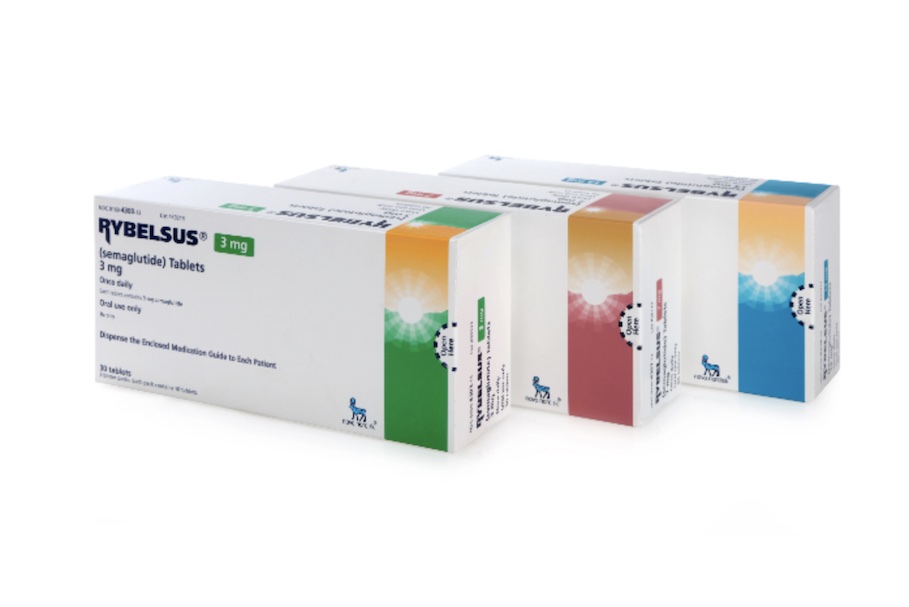
It is 7:00 AM on a Tuesday. You are standing in your kitchen, staring at a small, white pill sitting next to a glass of water. You aren’t thinking about your morning commute or that email you forgot to send. You are thinking about the fact that, for the first time in years, you don’t have to carry a bulky insulin pen or a handful of various injections in your bag. You are staring at a tiny piece of plastic and chemistry that promises to do the heavy lifting for your pancreas.
For many living with Type 2 diabetes, the ritual of medication is a constant, nagging reminder of a chronic condition. The transition from subcutaneous injections to an oral tablet might seem like a minor shift in logistics, but the physiological shift is anything but minor. This is the reality of semaglutide in pill form, a treatment that has changed the conversation around glycemic control.
We see this shift everywhere in modern endocrinology. The move toward oral GLP-1 receptor agonists aims to bridge the gap between the convenience of a pill and the potency of an injectable. It is a difficult needle to thread, biologically speaking, because getting a peptide through the stomach’s harsh environment is a significant hurdle for pharmaceutical chemists.
The Chemistry of a Morning Routine
Rybelsus isn’t your standard metformim. While many people are used to taking metformin twice a day alongside a meal, Rybelsus requires a more specific, almost ritualistic, precision. You take it once daily, on an empty stomach, at least 30 minutes before any food, water, or other medications. If you miss that window or try to take it with your morning coffee, you might as well be throwing the dose into the sink. The absorption is incredibly sensitive to the presence of food in the stomach.
At its core, this medication is a GLP-1 receptor agonist. It mimics a hormone your body naturally produces when you eat. This hormone tells your pancreas to release insulin when your blood sugar levels rise. It also tells your liver to stop pumping out excess glucose and signals to your brain that you are actually full. It is a multi-pronged approach to metabolic management that goes beyond simply lowering a number on a glucose monitor.
The efficacy of the drug is measured primarily by its ability to lower A1C levels. For adults with Type 2 diabetes, this is the primary goal. However, the benefits extend into cardiovascular health. Rybelsus tablets (semaglutide) are used for adults with type 2 diabetes to control blood sugar levels and reduce A1C levels, but they also aim to lower the risk of serious events like heart attacks or strokes in high-risk patients.
The dosing isn’t a “one size fits all” situation. Doctors typically start patients on a low dose to let the body adjust to the side effects before moving up to 7 mg or 14 mg. This titration is vital. If you jump straight to the highest dose, your digestive system will likely stage a formal protest. It is a slow, calculated climb toward therapeutic levels.
Comparing the Oral and Injectable Paths
The most common question we hear is: “If it’s the same drug, why is one a pill and one a shot?” The answer lies in the delivery mechanism. Injectable semaglutide (like Wegovy or Ozempic) enters the bloodstream directly, bypassing the digestive tract. The oral version, Rybelsus, has to survive the stomach’s acid, which is why the timing of your morning dose is so strictly regulated.
| Feature | Rybelsus (Oral) | Injectable Semaglutide |
|---|---|---|
| Administration | Daily Pill | Weekly Injection |
| Stomach Requirement | Empty stomach, 30 min before food | N/A |
| Primary Use | Type 2 Diabetes | Type 2 Diabetes / Weight Management |
While the delivery methods differ, the underlying biological mechanism remains the same. Both aim to optimize how your body handles glucose. For those who have a genuine phobia of needles, the pill is a revolution. For those who struggle with the strict morning timing, the weekly shot might be the easier path. There is no objective winner, only the best fit for your specific lifestyle and biology.
The Side Effect Reality Check
No medication is a “free lunch.” When you start messing with your metabolic signaling, your body is going to react. The most common complaint is gastrointestinal distress. We are talking about nausea, vomiting, and diarrhea. For a patient like “Mark,” a 54-year-old accountant who started Rybelsus last spring, the first two weeks were “less than ideal.” He described it as a constant, low-grade sea sickness that peaked about an hour after he took his pill. Eventually, his body adjusted, but those first fourteen days required significant patience and a lot of ginger ale.
This isn’t just a minor annoyance; it’s a physiological adjustment. As the medication slows gastric emptying, meaning food stays in your stomach longer, the sensation of fullness comes faster, but the sensation of nausea can linger. If you are someone prone to motion sickness, you might find this particularly challenging. It is a trade-off that most patients find worth the effort once their blood sugar stabilizes, but it is a real hurdle in the early stages.
There are also much more serious, though less common, concerns. Rybelsus (Semaglutide) may cause serious side effects such as thyroid C-cell tumors, vision problems, and low blood sugar. While the thyroid tumor risk is primarily observed in rodent studies, it remains a significant warning for anyone with a history of medullary thyroid carcinoma or Multiple Endocrine Neoplasia syndrome type 2. Your doctor will want to know your family history before they write the prescription.
Low blood sugar, or hypoglycemia, is another factor. While Rybelsus is less likely to cause a “crash” when taken alone compared to insulin, the risk increases significantly if it is combined with other diabetes medications like sulfonylureas or insulin. Monitoring is essential. You can’t just set it and forget it; you still have to pay attention to how your body is reacting to the interplay of diet and medication.
When to Say No to Rybelsus
Not everyone is a candidate for this medication. Medical guidelines are quite specific about who should avoid it. First and foremost, it is not intended for Type 1 diabetes. Type 1 is an autoimmune condition where the pancreas produces little to no insulin, and the GLP-1 mechanism works differently than the fundamental insulin deficiency found in Type 2. Using it for Type 1 is a misunderstanding of the disease’s underlying mechanics.
If you have a history of pancreatitis, you should tread very carefully. Pancreatitis is an inflammation of the pancreas that can be quite severe. Because GLP-1 medications influence pancreatic function, doctors are cautious about prescribing them to those who have experienced similar inflammatory issues in the past. It is a “better safe than sorry” approach that has become standard practice in endocrinology.
Vision issues are another specific warning. If you have diabetic retinopathy or notice sudden changes in your eyesight, you need to consult your doctor immediately. While the medication helps manage the blood sugar that causes retinopathy, the rapid shifts in glucose levels can sometimes cause temporary fluctuations in vision. It is a paradox of treatment: the very thing fixing the problem can cause a temporary side effect of the fix.
We also see warnings regarding kidney function. While the drug itself isn’t typically the cause of kidney issues, the dehydration caused by nausea and vomiting can lead to acute kidney injury. This is why staying hydrated is not just a suggestion; it is a requirement. If you are vomiting, you are losing fluids, and if you are losing fluids, your kidneys are under stress. It is a cycle that needs to be broken quickly.
Managing the Daily Grind
If you are prescribed Rybelsus, your lifestyle becomes a bit more structured. You can’t just grab a bagel on your way out the door. The 30-minute rule is non-negotiable. This means your morning routine might involve waking up 40 minutes earlier than you used to, just to allow time for the pill to sit in your stomach before you have your coffee or breakfast. It is a small price to pay for improved glycemic control, but it is a change that requires discipline.
Dietary choices also become much more impactful. Because the medication slows down how quickly food leaves your stomach, eating large, greasy, or high-fat meals can lead to intense discomfort or even vomiting. Small, frequent meals are often the best way to mitigate the nausea. Think of it as retraining your body to recognize satiety. You aren’t just taking a pill; you are participating in a metabolic retraining program.
- Consistency is king: Take it at the same time every day.
- Hydration is mandatory: Sip water throughout the day, even if you don’t feel thirsty.
- Monitor closely: Keep a log of your blood sugar and how you feel during the first month.
- Watch for “the wall”: If nausea becomes debilitating, don’t push through; call your doctor.
It is not just about the numbers on a lab report. It’s about how you feel during your 2:00 PM slump. It’s about whether you feel more energetic or more lethargic. Every patient’s experience is different, and what works for one person might be intolerable for another. The goal is a stable, predictable state of health, not a rollercoaster of highs and lows.
The Real Cost of Control
There is a significant debate around the accessibility of these medications. While the move from an injection to a pill is a victory for convenience, it doesn’t necessarily solve the problem of cost. The price of brand-name semaglutide can be a barrier for many, and the logistics of obtaining it through insurance can be a headache in itself. Many patients find themselves searching for ways to make it more affordable, which is a frustrating reality in the current healthcare system.
We see a lot of people looking for alternatives or different ways to source their medication. Whether you are checking for availability or looking into how to manage the prescription, the complexity of the pharmaceutical market is a constant factor. It isn’t just about the science of the drug; it’s about the economics of the patient’s life. A medication is only useful if you can actually get it and afford to keep it in your cabinet.
In the end, Rybelsus represents a significant step in how we treat Type 2 diabetes. It moves the needle toward more patient-friendly, oral options that mimic natural biological processes. It isn’t a magic bullet, and it certainly isn’t without its drawbacks, but it is a powerful tool in the modern medical arsenal. It requires a certain level of commitment from the patient, a commitment to timing, hydration, and monitoring, but the payoff is a significant improvement in long-term health outcomes.
You might be thinking, “Is the nausea really worth it?” If your current medication leaves your A1C in a range that puts you at high risk for a stroke or a heart attack, then the answer is a resounding yes. A little bit of nausea is a small price to pay for the stability of your cardiovascular system. If you want to go deeper, rybelsus online is a solid place to start.
FAQ
What is Rybelsus medication used for?
Rybelsus is a prescription medication containing semaglutide used to improve blood sugar levels in adults with type 2 diabetes.
How should I take Rybelsus?
It should be taken once daily on an empty stomach, at least 30 minutes before eating, drinking, or taking other medications.
What are the common side effects of Rybelsus?
Common side effects include nausea, vomiting, diarrhea, and stomach pain.
Can Rybelsus help with weight loss?
While Rybelsus is primarily indicated for type 2 diabetes, weight loss is a known secondary effect of the medication.
What should I do if I miss a dose of Rybelsus?
If you miss a dose, take it as soon as you remember, but if it is almost time for your next dose, skip the missed dose and resume your regular schedule.